When it comes to ensuring the safety and longevity of a building, bracing seismic structures is a critical aspect that cannot be overlooked. Seismic bracing is the process of reinforcing a building to withstand the effects of an earthquake or other seismic events. This is an essential measure to protect both the structure itself and the occupants inside. In this article, we will delve into the importance of bracing seismic structures and how it can mitigate the damage caused by seismic activities.
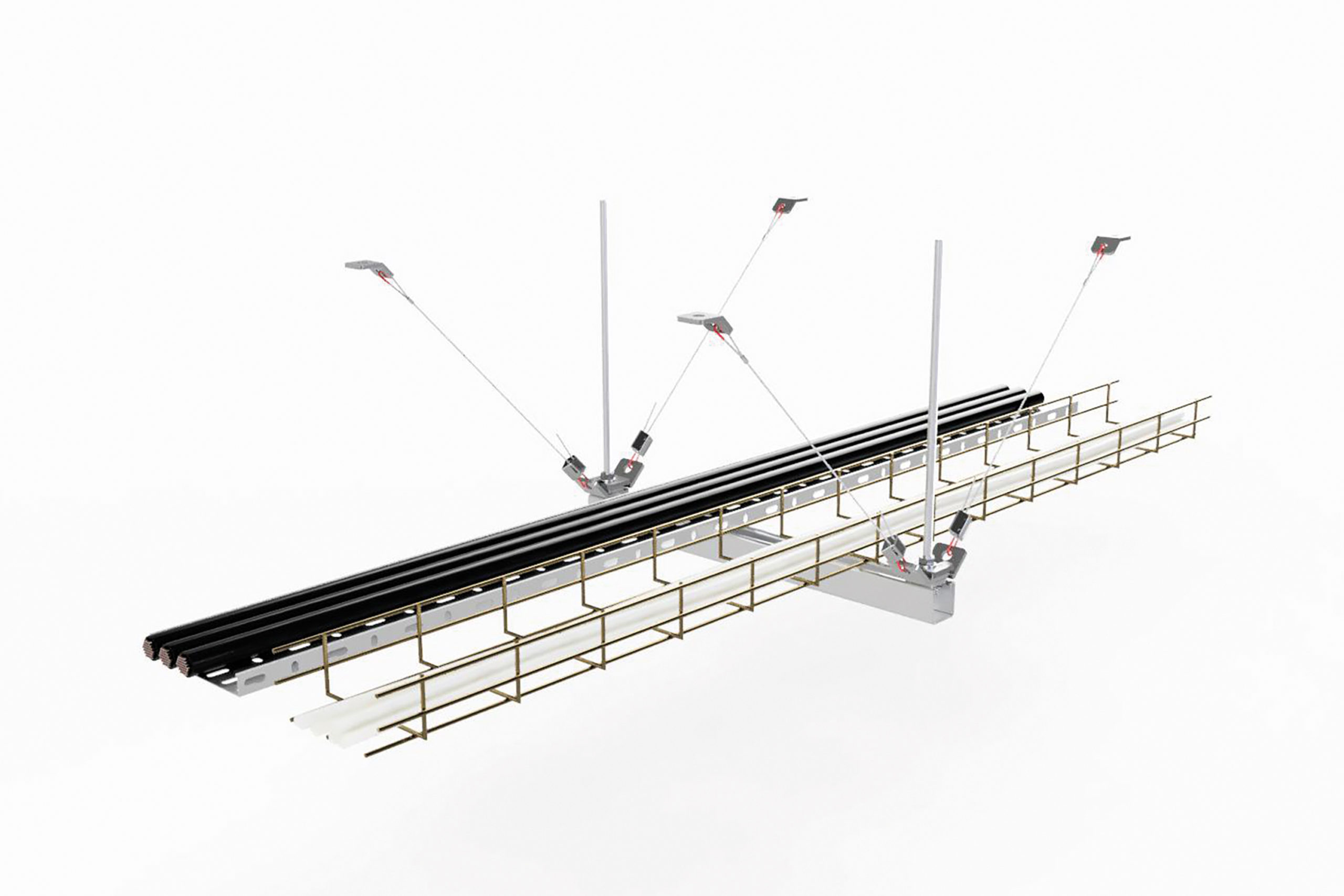
Seismic activity is a constant threat in certain regions of the world, and buildings in these areas are particularly vulnerable to the destructive forces of earthquakes. Without proper bracing, structures are at risk of collapsing, causing extensive damage and potentially putting lives in danger. By incorporating seismic bracing elements into a building’s design, engineers can significantly enhance its ability to withstand seismic forces and protect the occupants inside.
One of the primary purposes of bracing seismic structures is to provide lateral stability. During an earthquake, buildings are subjected to lateral forces that can cause them to sway or tilt. Without adequate bracing, a building could sway beyond its limits and collapse. Seismic bracing helps to distribute these forces evenly throughout the structure, preventing excessive movement and ensuring that the building remains stable during an earthquake.
In addition to providing lateral stability, seismic bracing also helps to reduce the risk of structural damage. By reinforcing key components of a building, such as walls, beams, and columns, engineers can strengthen the structure and minimize the chances of failure during a seismic event. This not only protects the building itself but also the valuable assets and people inside.
Moreover, bracing seismic structures can improve the overall resiliency of a building. A well-braced structure is more likely to withstand the forces of an earthquake and remain standing. This can not only save lives but also prevent costly repairs and reconstruction efforts. By investing in seismic bracing, building owners can protect their assets and ensure the long-term durability of their structures.
There are several different methods of bracing seismic structures, each tailored to the specific needs of the building and the level of seismic activity in the area. Some common techniques include the use of shear walls, braced frames, and moment-resisting frames. These elements are strategically placed throughout the building to provide maximum support and reinforcement.
When designing a building with seismic bracing in mind, engineers consider a wide range of factors, such as the building’s height, weight, and location. By conducting thorough seismic analysis and simulations, engineers can determine the most effective bracing strategy for a particular structure. This level of precision and expertise is essential to ensure that the building can withstand the forces of an earthquake and remain intact.
In conclusion, bracing seismic structures is a crucial aspect of building design and construction, particularly in areas prone to seismic activity. By reinforcing key components of a building and providing lateral stability, engineers can greatly enhance its ability to withstand earthquakes and protect the occupants inside. Investing in seismic bracing not only ensures the safety of a building and its occupants but also reduces the risk of structural damage and costly repairs. When it comes to building resilience and longevity, bracing seismic structures is an essential measure that cannot be overlooked.